Environmental Remediation
Environmental Remediation
Environmental remediation must result in conditions that are protective of human health, safety, and the environment. The number of applicable remediation options for a given project can be twenty or more, depending on contaminant type media affected, and property use and can range from basic removal to long term, high complexity remediation systems. Therefore, a structured approach to alternative selection is required to support effective decision-making based on information available at the time.
When active remediation is necessary, Peak’s Remedial Alternative Selection (RAS) process provides a comprehensive approach to evaluating alternatives and selecting the best remedial option for a given Site. Evaluated options include multiple variations of physical removal and disposal or treatment, in-situ treatment systems, abiotic destruction & in-situ chemical oxidation (ISCO) injections, aerobic and anaerobic bioremediation amendment injections, and containment technologies, each potentially applicable to soil, groundwater, surface water, sediment, vapor or combinations thereof.
The process considers the effectiveness for contaminants present, client goals, regulatory mandates and restrictions, future use of property, duration and schedule, cost, logistics, accessibility, disruption to operations, and post-remedial requirements. A typical site is evaluated in two steps. Initially, a wide set of remedial alternatives applicable to the type of contaminant and the affected media are screened. Subsequently, potentially applicable alternatives are compared based on a series of detailed evaluation metrics to further reduce the list of best alternatives and rank them.
Costs & Financials Estimate life cycle cost, funding, capital costs, expenses, cash flow
Remedial Objective Success Verify demonstrated effectiveness of alternative
Constructability Confirm logistics and site use, infrastructure proximity
Safety Minimize HSSE risks to team and third parties
Integrity Maximize long-lerm effectiveness/reliability
Related Projects

NJDEP revises Historically Applied Pesticides (HAP) Guidance Document
Many pesticides have been banned due to their persistence in the environment, their toxicity at relatively low concentrations, and documented effects on wildlife. While application of these chemicals was allowed at the time, the presence of compounds such as dieldrin,...
Michael Misiaszek joins Peak Environmental!
Michael Misiaszek has joined Peak Environmental, A Nova Group, GBC Company as a Project Manager! Michael has been an environmental professional since 2009. He earned a Bachelor of Science in Environmental Engineering from the University of Delaware. Michael holds an...
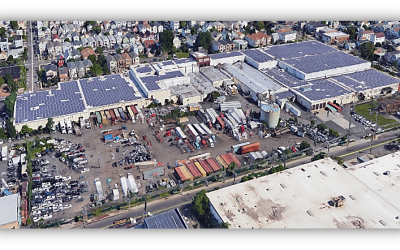
NJDEP Publishes New GIS Tool for Brownfields
NJDEP Bureau of GIS has released their Brownfield Inventory for New Jersey as a layer on their GeoWeb platform, an interactive mapping program that provides users internet-based access to NJDEP GIS environmental data. Through Geoweb, interested users can view valuable...
Discuss Your Project
Service Areas
Site Remediation
Licensed Site Remediation Professionals
Regulatory Compliance
Phase I / Due Diligence

Contact
Peak Environmental, A Nova Group, GBC Company
732-326-1010
info@peak-environmental.com
26 Kennedy Blvd, Suite A
East Brunswick, NJ 08816
Industries
Legal
Real Estate
Financial
Insurance
Petroleum
Manufacturing
Materials
Construction
Education